Land Planning
At Pidcock, we partner with landowners, institutions, developers, and municipalities to steward their investments and tailor sites to specifically to their needs.
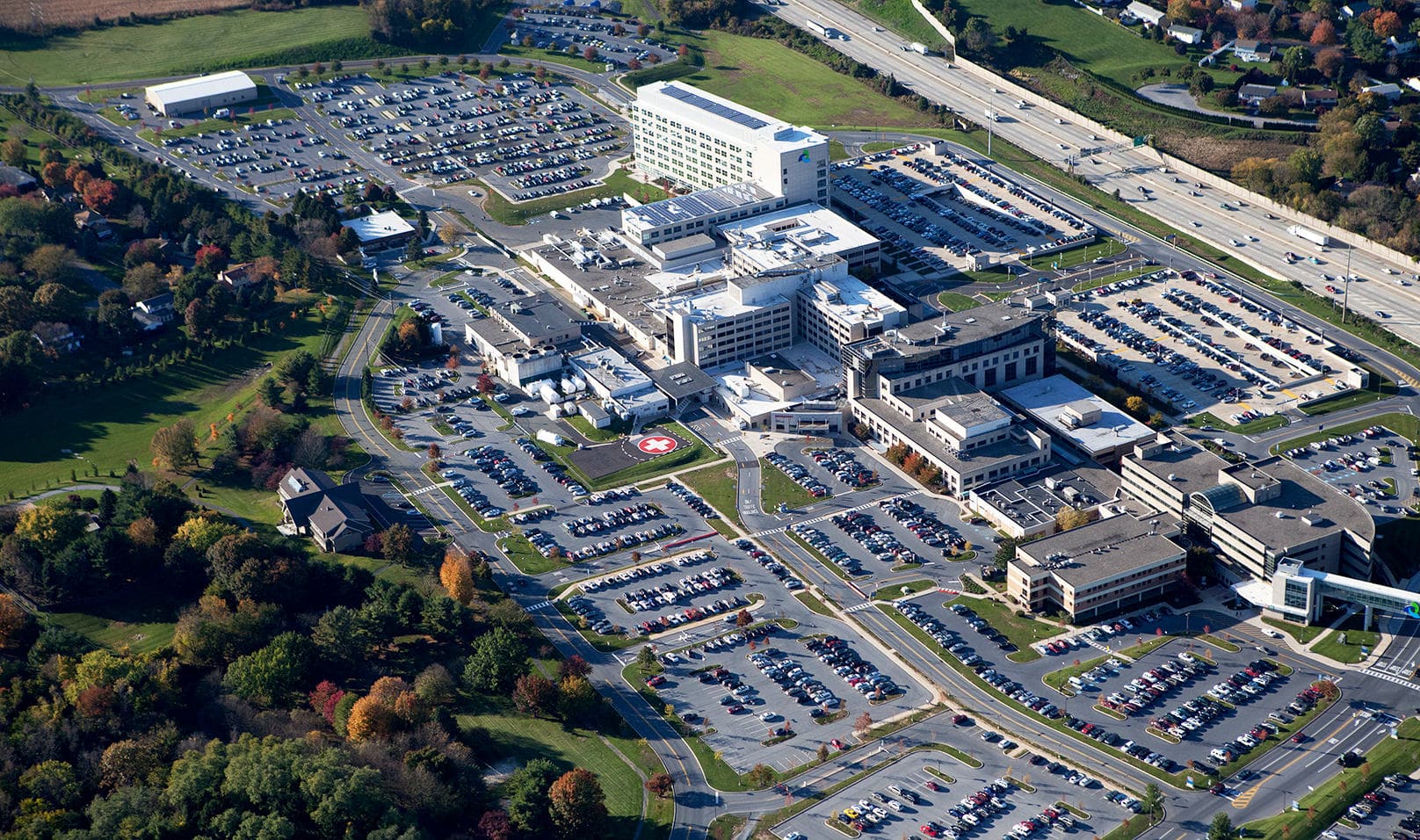
For decades, we’ve helped reimagine open land and redevelopment opportunities as landmarks, critical infrastructure, destinations, educational and professional campuses, healthcare centers, recreational spaces, and housing. Across every engagement, our guiding principles are to serve those who will inhabit these spaces, add value to our clients and community, and do it exceptionally well.
Master Planning
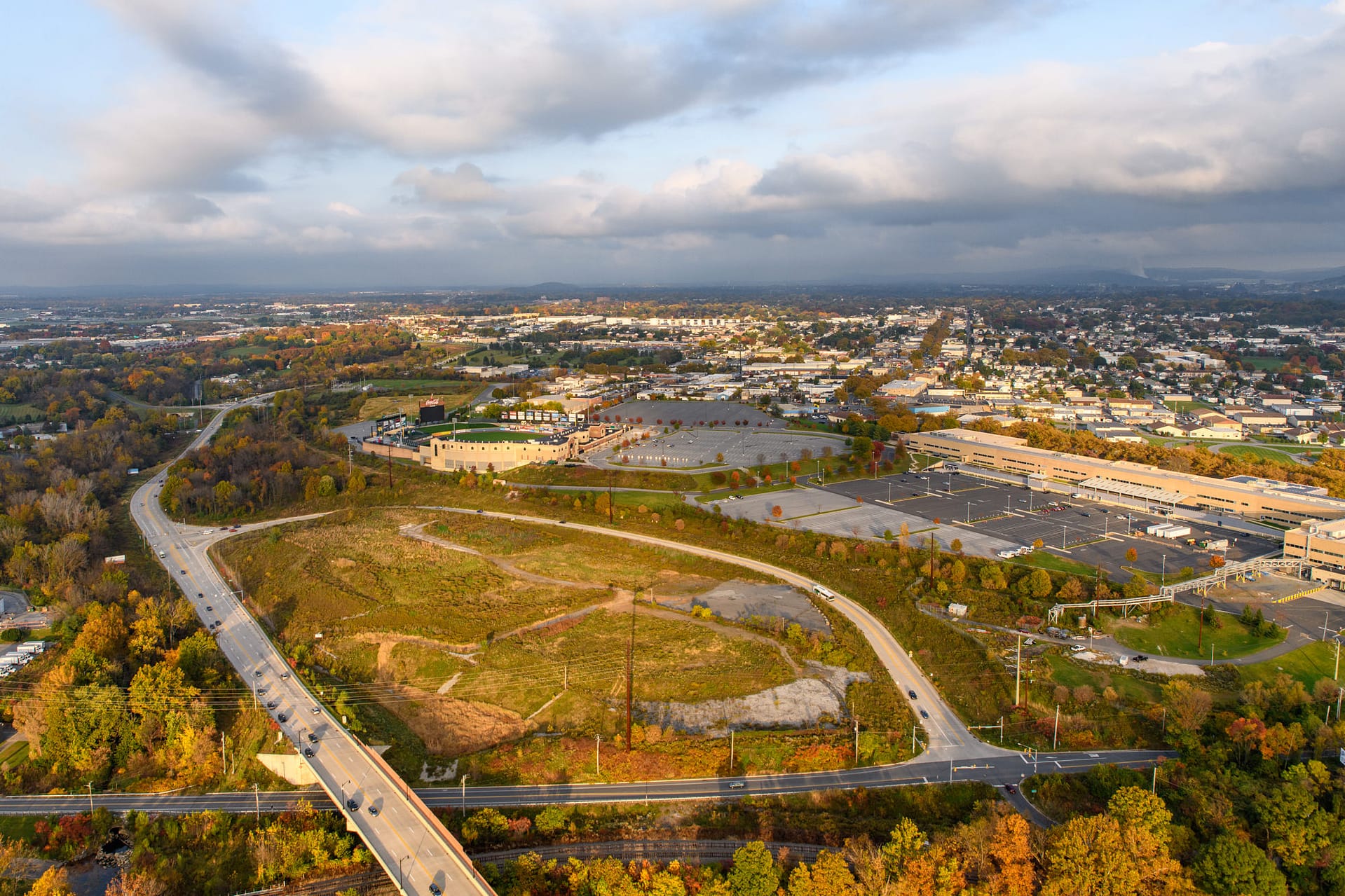
From 1,500-acre regional developments to infill and adaptive reuse opportunities, our team manages multi-phase, multi-year project timelines. With long-term growth in mind, our strategic approach integrates construction and entitlement analysis, environmental stewardship, and municipal engagement to shape land holdings into enduring communities and high-value assets.
- Services
-
- Multi-phase development programming and implementation roadmaps
- Infrastructure capacity analysis and utility master planning
- Transportation network design and phasing
- Market mix studies and zoning analysis tailored to determine maximum yields and diverse uses
- Construction impact assessment and cost estimating
- Environmental constraints analysis and conservation framework development
- Related Projects

Rezoning and Zoning Amendments
Rezonings are legislative acts, not administrative approvals—and they often determine whether a project is feasible at all. Securing a zoning map or text amendment in Pennsylvania requires comprehensive plan literacy, defensibility against spot zoning challenges, disciplined community engagement, and the professional reputation to win a governing body’s vote in public session. We’ve guided clients through some of the region’s most consequential rezonings, translating complex development objectives into ordinance changes that hold up under legal scrutiny and earn lasting community support.
- Services
-
- Zoning map amendments (rezoning petitions) under PA MPC §609, with comprehensive plan consistency analysis (MPC §603 (j))
- Zoning text amendments and ordinance modernization for both applicants and municipalities
- Curative amendments and validity challenges to defective ordinances (MPC §609.1, §916.1)
- Spot zoning risk assessment and defensibility strategy
- Overlay district design and adoption (TND, mixed-use, conservation, and form-based codes)
- Community engagement strategy, stakeholder outreach, and public hearing preparation
- Coordination with planning commissions, governing bodies, and county/regional planning agencies
- Expert planner testimony and legislative record development

Feasibility and Due Diligence
Years before breaking ground, developers and investors often look to Pidcock to help evaluate their investments. Our multidisciplinary feasibility assessments identify value creation opportunities, illuminate highest-and-best-use scenarios, and quantify likely land use yield to inform investment decisions.
- Services
-
- Zoning compliance matrix development with dimensional standard analysis, use-by-right assessment, and variance/relief identification
- Highest-and-best-use analysis with alternative development scenario modeling and absorption rate projections
- Infrastructure capacity assessment for sanitary, water, stormwater, and transportation systems with gap analysis and capital cost estimation
- Right-of-way and property acquisition studies, including parcel assemblage strategy, title research, and condemnation feasibility analysis
- Environmental constraints mapping, including wetlands delineation coordination, steep slope analysis, floodplain impacts, and coordinate with geotechnical risk assessment
- Entitlement risk analysis with regulatory timeline modeling, approval probability assessment, and mitigation strategy development
- Related Projects

Site Planning and Design
Our site planning and design process delivers a blueprint for optimizing operational efficiency and critical infrastructure systems such as parking, pedestrian circulation, landscaping, utilities, and stormwater management. These aspects of a project play a noticeable role in enhancing both the user experience and corporate identities as well as sustainable solutions; when designed well, experience of the overall facility is enhanced and more efficient.
- Services
-
- Buildable area analysis with setback optimization and floor area ration (FAR) maximization
- Cut-fill balance grading with earthwork volume calculations and mass diagram analysis
- Stormwater BMP design with hydrologic/hydraulic modeling (HEC-HMS/HEC-RAS) and water quality volume calculations
- Multi-modal circulation design including turning radius analysis, sight distance verification, and ADA compliance
- Utility infrastructure coordination for sanitary, water distribution, fire flow, and dry utility systems
- Parking optimization with dimensional analysis, loading dock integration, and structured parking interfacing
- Pedestrian circulation, wayfinding, and user experience optimizations
- Sustainable site strategies including LEED credits, tree preservation calculations, and heat island mitigation
- Riparian buffer design and post-construction stormwater management (PCSM) plan preparation under PA Chapter 102
Subdivision and Land Development Design
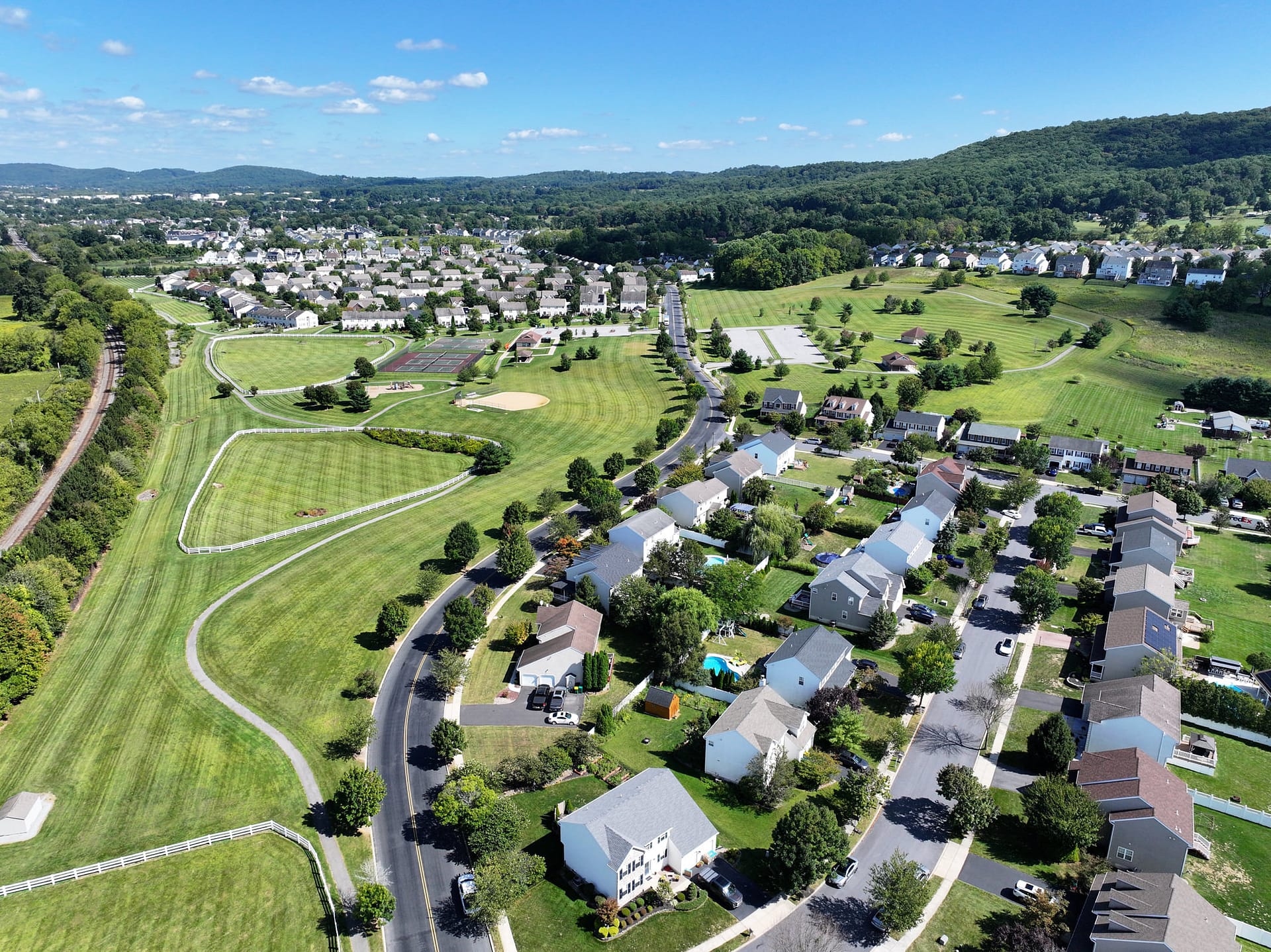
While market preferences change and demographics evolve, our team seeks to create master-planned communities that flexibly respond to both throughout multi-year buildouts. Through smart subdivision design, density optimization, and strategic phasing, we position our clients to command pricing power and protect long-term value. Helping protect that value also requires compliance. As such, we collaborate with legal and finance partners to reduce risks and liabilities.
- Services
-
- Preliminary and final plat preparation under Pennsylvania MPC with lot yield optimization and unit mix analysis
- Street and block pattern design with connectivity indices, complete rural and urban right-of-way design and dimensioning
- Condominium regime analysis including unit boundary definitions, common element allocation, and vertical subdivision strategies
- Easement planning and documentation for access, utilities, stormwater facilities, and cross-parcel infrastructure
- Phasing plans with infrastructure cost allocation, bond estimates, and financial security requirements
- Residential lot layout with frontage optimization, corner lot treatment, and flag lot compliance analysis
- Stormwater, sewer water, and drainage management design
- Active and passive recreation opportunities such as open space and walking trails
Entitlements and Permitting
Pennsylvania has complex and nuanced municipal, county, and state regulatory frameworks. Leveraging our local reputation, professional relationships, and engineering expertise, we are able to help our clients navigate agency reviews and gain approvals that major projects demand.
Our rigorously tested designs and strategies align development objectives with comprehensive plan policies and community benefits, proactively address Pennsylvania Municipalities Planning Code (MPC) requirements, and orchestrate reliable relationships with planning commissions, zoning hearing boards, and conservation districts. In short, we flip potential obstacles into strategic advantages, reducing timeline risk and protecting project economics through construction.
- Services
-
- Conditional use applications before governing bodies; special exception and variance applications before zoning hearing boards
- Land development and subdivision approvals under local ordinances and MPC Article V
- NPDES permit processing through County Conservation Districts and PA DEP, including post-construction stormwater management design, documentation, and permitting
- County Conservation District erosion and sediment control plan approvals (Chapter 102)
- Pennsylvania Department of Transportation (PennDOT) Highway Occupancy Permits (HOPs) and traffic impact studies
- Pennsylvania Historic and Museum Commission (PHMC) Section 106 cultural resource reviews
- Section 404 wetland permits (U.S. Army Corps of Engineers) and PA DEP Chapter 105 permitting – dam safety, water obstruction and encroachment, floodway encroachment, wetlands, waterways, bridge and culvert crossings, stream crossings, pipe utility, outfalls, etc.
- Act 537 Sewage Facilities Planning Module preparation and submission for public sewer extensions, with in-house Sewage Enforcement Officer (SEO) capability for on-lot and alternative disposal scenarios
- Floodplain modeling and encroachment, including municipal and FEMA review and approvals